Point and Shoot Camera for Nature Photography: The Ultimate Guide
Nature photography is a rewarding yet challenging genre that requires the right equipment to capture stunning landscapes, wildlife, and intricate details of the natural world. While DSLRs and mirrorless cameras are popular choices, point-and-shoot cameras have evolved significantly, offering powerful features in a compact form. In this comprehensive guide, we’ll explore:
- Why choose a point-and-shoot for nature photography?
- Key features to look for
- Top point-and-shoot cameras for nature photography
- Tips for capturing breathtaking nature shots
- Accessories to enhance your photography
Whether you're a beginner or a seasoned photographer looking for a lightweight alternative, this guide will help you find the best point-and-shoot camera for nature photography.
Why Choose a Point-and-Shoot Camera for Nature Photography?
Point-and-shoot cameras are often underestimated, but they offer several advantages for nature photography:
1. Portability and Convenience
Unlike bulky DSLRs, point-and-shoot cameras are lightweight and easy to carry on hikes, treks, or wildlife expeditions.
2. Powerful Zoom Capabilities
Many modern point-and-shoots feature superzoom lenses (20x-60x optical zoom), allowing you to capture distant wildlife without disturbing them.
3. Advanced Image Stabilization
Nature photography often involves low-light conditions or long zoom shots. Built-in stabilization helps reduce blur caused by shaky hands.
4. Weather-Sealed Designs
Some high-end models are weather-resistant, protecting against dust, moisture, and extreme temperatures—ideal for outdoor shooting.
5. Automatic and Manual Controls
While they excel in auto mode, many point-and-shoots also offer manual settings (aperture, shutter speed, ISO), giving you creative control.
Key Features to Look for in a Point-and-Shoot Camera for Nature Photography
Not all point-and-shoots are created equal. Here’s what to consider when choosing the best one for nature photography:
1. Sensor Size
- Larger sensors (1-inch or APS-C) perform better in low light and produce higher-quality images.
- Examples: Sony RX100 VII (1-inch), Fujifilm X100V (APS-C).
2. Optical Zoom Range
- 20x-60x zoom is ideal for wildlife and distant landscapes.
- Look for optical zoom (not digital zoom, which degrades quality).
3. Aperture Range
- A wide aperture (f/2.8 or lower) helps in low-light conditions and creates a shallow depth of field.
4. Image Stabilization
- 5-axis stabilization is best for handheld shooting at long zoom ranges.
5. Weather Sealing
- Essential for shooting in rain, snow, or dusty environments.
6. RAW Support
- Allows for better post-processing flexibility.
7. Macro Mode
- Useful for close-up shots of flowers, insects, and textures.
8. Battery Life
- Nature photography often involves long shoots, so extra batteries are recommended.
Top 5 Point-and-Shoot Cameras for Nature Photography
Here are the best point-and-shoot cameras for nature enthusiasts:
1. Sony Cyber-shot RX100 VII

- Sensor: 1-inch CMOS
- Zoom: 8x optical (24-200mm equivalent)
- Aperture: f/2.8-4.5
- Features: Real-time tracking, 4K video, fast autofocus
- Best for: Wildlife and action shots
2. Panasonic Lumix FZ1000 II

- Sensor: 1-inch CMOS
- Zoom: 16x optical (25-400mm equivalent)
- Aperture: f/2.8-4.0
- Features: 4K video, weather-sealed, RAW support
- Best for: Versatile nature photography
3. Canon PowerShot G5 X Mark II

- Sensor: 1-inch CMOS
- Zoom: 5x optical (24-120mm equivalent)
- Aperture: f/1.8-2.8
- Features: Pop-up EVF, fast lens, 4K video
- Best for: Low-light and landscape photography
4. Nikon Coolpix P1000

- Sensor: 1/2.3-inch CMOS
- Zoom: 125x optical (24-3000mm equivalent)
- Aperture: f/2.8-8
- Features: Superzoom, 4K video, RAW support
- Best for: Extreme telephoto wildlife shots
5. Fujifilm X100V
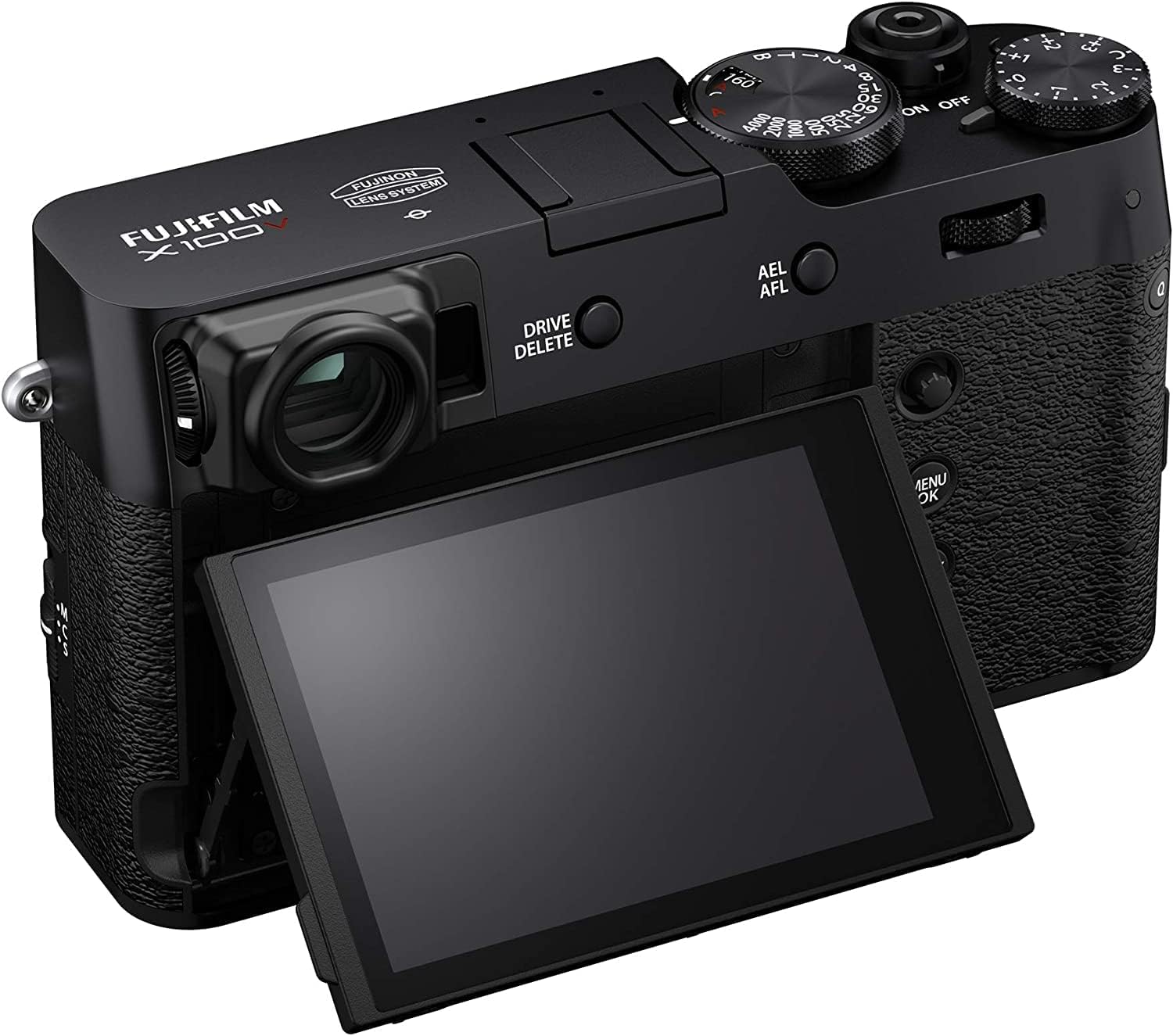
- Sensor: APS-C
- Zoom: Fixed 23mm f/2 lens (35mm equivalent)
- Aperture: f/2-f/16
- Features: Film simulations, weather-sealed, hybrid viewfinder
- Best for: Street and landscape photography
Tips for Nature Photography with a Point-and-Shoot Camera
1. Use the Rule of Thirds
- Compose your shots by aligning key elements along grid lines for a balanced image.
2. Shoot in Golden Hours
- Early morning and late afternoon light provide warm tones and soft shadows.
3. Utilize Macro Mode
- Capture intricate details of flowers, insects, and textures.
4. Experiment with Different Angles
- Low-angle shots can make landscapes more dramatic.
5. Use a Tripod for Stability
- Essential for long-exposure shots (waterfalls, star trails).
6. Shoot in RAW for Better Editing
- Allows more flexibility in post-processing.
7. Enable Burst Mode for Wildlife
- Helps capture fast-moving subjects like birds in flight.
Essential Accessories for Nature Photography
- Tripod – For stability in low light.
- Polarizing Filter – Reduces glare and enhances colors.
- Extra Batteries – Ensures you never run out of power.
- Camera Bag – Protects your gear during hikes.
- Lens Cleaning Kit – Essential for outdoor conditions.
Conclusion
A point-and-shoot camera for nature photography can be a powerful tool, offering portability, advanced features, and impressive zoom capabilities. Whether you’re capturing sweeping landscapes, elusive wildlife, or delicate macro shots, the right camera can make all the difference.
By considering factors like sensor size, zoom range, weather sealing, and manual controls, you can find a camera that suits your needs. Pair it with the right techniques and accessories, and you’ll be ready to capture the beauty of nature effortlessly.
What’s your favorite point-and-shoot camera for nature photography? Share your thoughts in the comments!